
If you look closely at the devices around you—your washing machine, your car dashboard, your smartwatch—you’ll notice something interesting: none of them feel like “computers” in the traditional sense, yet they behave intelligently. This intelligence comes from micro embedded systems, small but powerful computing units designed to perform specific tasks efficiently and reliably.
Unlike general-purpose computers, micro embedded systems are built with a clear purpose in mind. They are optimized for doing one job (or a small set of related jobs) extremely well. This focused design is what makes them fast, cost-effective, and dependable in real-world applications.
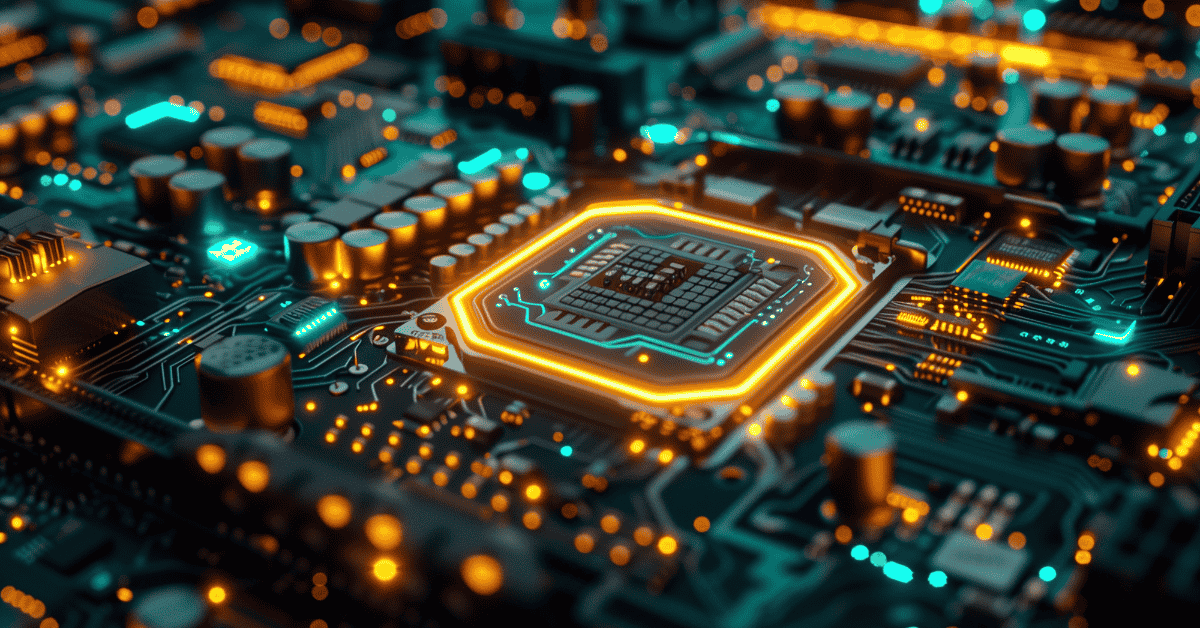
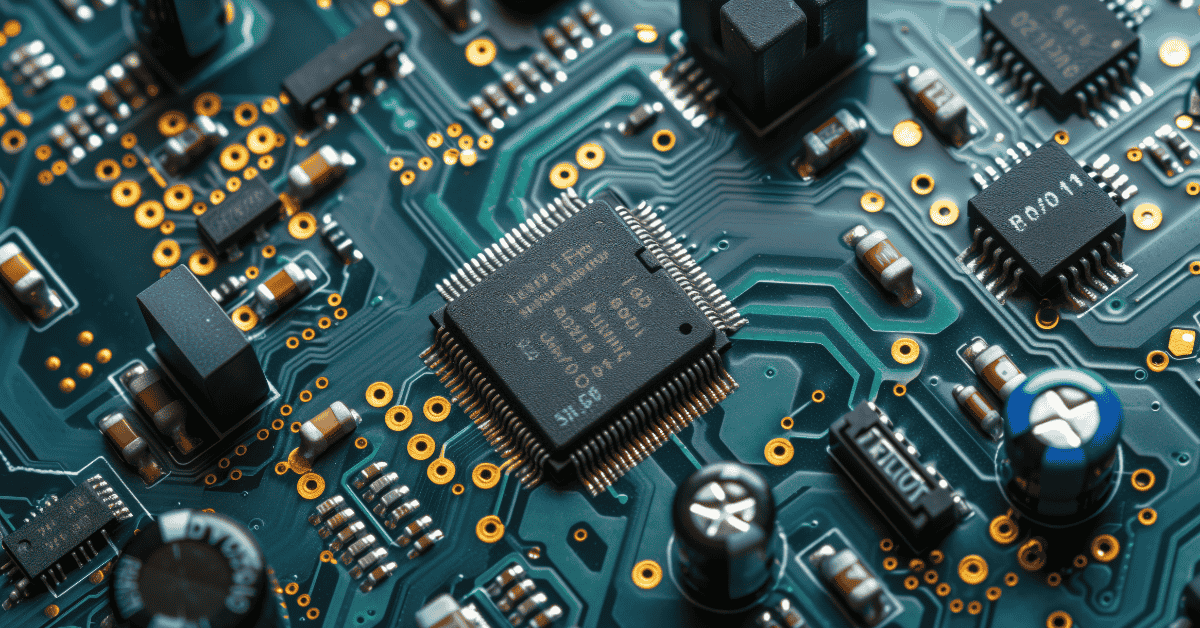
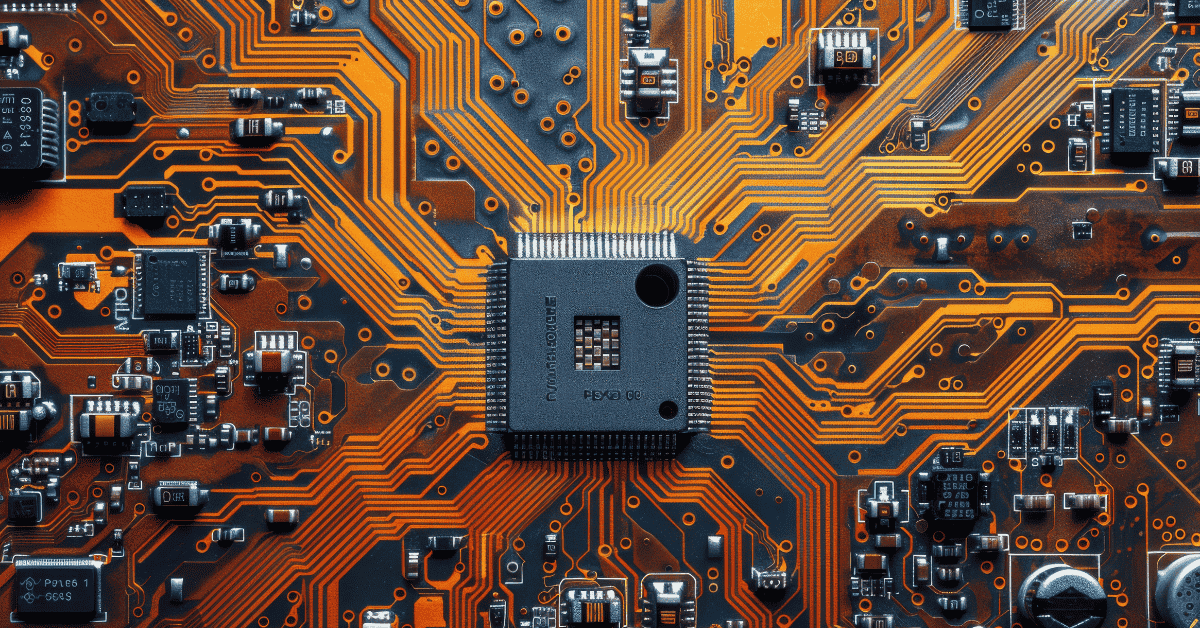
At its core, a micro embedded system is a combination of hardware and software designed to perform a dedicated function within a larger system. The “micro” part typically refers to the use of microcontrollers or microprocessors, which are compact integrated circuits containing a CPU, memory, and input/output interfaces.
But the real strength of embedded systems is not just in their size—it’s in how tightly integrated everything is. The hardware and software are developed together, often customized to meet strict performance, power, and cost constraints.
For example, in a car’s anti-lock braking system (ABS), the embedded system constantly monitors wheel speed and adjusts braking pressure in real time. There is no room for delays or errors. It has to work instantly and consistently, every single time.
A few years ago, embedded systems were mostly found in industrial machines and specialized equipment. Today, they are everywhere. The rise of IoT (Internet of Things), automation, and smart devices has pushed micro embedded systems into the spotlight.
Think about smart homes. A simple smart light bulb contains an embedded system that connects to Wi-Fi, processes commands, and adjusts brightness or color. Multiply that by hundreds of devices, and you start to see how embedded systems quietly form the backbone of modern digital life.
Even in industries like healthcare, embedded systems are critical. Devices like heart monitors, insulin pumps, and portable diagnostic tools rely on highly reliable embedded systems to function correctly. A small failure in code or hardware could have serious consequences, so these systems are designed with extreme care.
Micro embedded systems are very different from regular computing systems, and a few characteristics define them:
1. Real-Time Operation
Many embedded systems must respond within strict time limits. For example, in automotive safety systems, even a delay of milliseconds can make a difference. These systems are often called real-time systems because timing is as important as correctness.
2. Resource Constraints
Unlike desktops or servers, embedded systems operate with limited memory, processing power, and energy. Developers must write efficient code that uses minimal resources while still performing reliably.
3. Reliability and Stability
Once deployed, many embedded systems are expected to run for years without failure. You don’t reboot a traffic signal system every day. This demands robust design, testing, and error handling.
4. Low Power Consumption
Battery-powered devices like wearables or remote sensors require energy-efficient systems. Engineers often optimize both hardware and software to extend battery life as much as possible.
The hardware of a micro embedded system usually includes:
The choice of hardware depends entirely on the application. A simple temperature sensor might use a low-cost microcontroller, while a smart drone will require a much more powerful processor.
The software running on embedded systems is usually written in low-level languages like C or C++, as they provide better control over hardware and memory.
Unlike typical software applications, embedded software often interacts directly with hardware registers. This makes development more complex, but also more efficient.
Some systems use a Real-Time Operating System (RTOS), which helps manage tasks, timing, and resource allocation. Others run on bare-metal code, meaning there is no operating system at all—just direct execution of instructions.
Debugging embedded software can be challenging because you often don’t have a screen or keyboard. Engineers rely on tools like debuggers, simulators, and serial communication logs to understand what’s happening inside the system.
Micro embedded systems are used across nearly every industry:
Each application has its own set of requirements, but the underlying principle remains the same: efficient, reliable, and purpose-driven computing.
Despite their advantages, developing micro embedded systems is not easy. Engineers face several challenges:
The future of embedded systems looks promising, especially with advancements in AI and machine learning. Tiny machine learning models (TinyML) are now being deployed directly on microcontrollers, allowing devices to make intelligent decisions without relying on cloud computing.
For example, a smart sensor can detect unusual patterns in machinery and predict failures before they happen—all without sending data to a server. This reduces latency, improves privacy, and lowers bandwidth usage.
Edge computing is another trend where data is processed locally on embedded devices instead of being sent to centralized systems. This is particularly useful in applications like autonomous vehicles and industrial automation.
Micro embedded systems may not always be visible, but their impact is undeniable. They are the silent workers behind the scenes, ensuring that devices function smoothly and efficiently.
As technology continues to evolve, these systems will only become more important. Whether it’s making homes smarter, industries more efficient, or healthcare more accessible, micro embedded systems are at the heart of innovation.
Understanding them is not just for engineers—it’s for anyone curious about how modern technology really works beneath the surface.
Share :