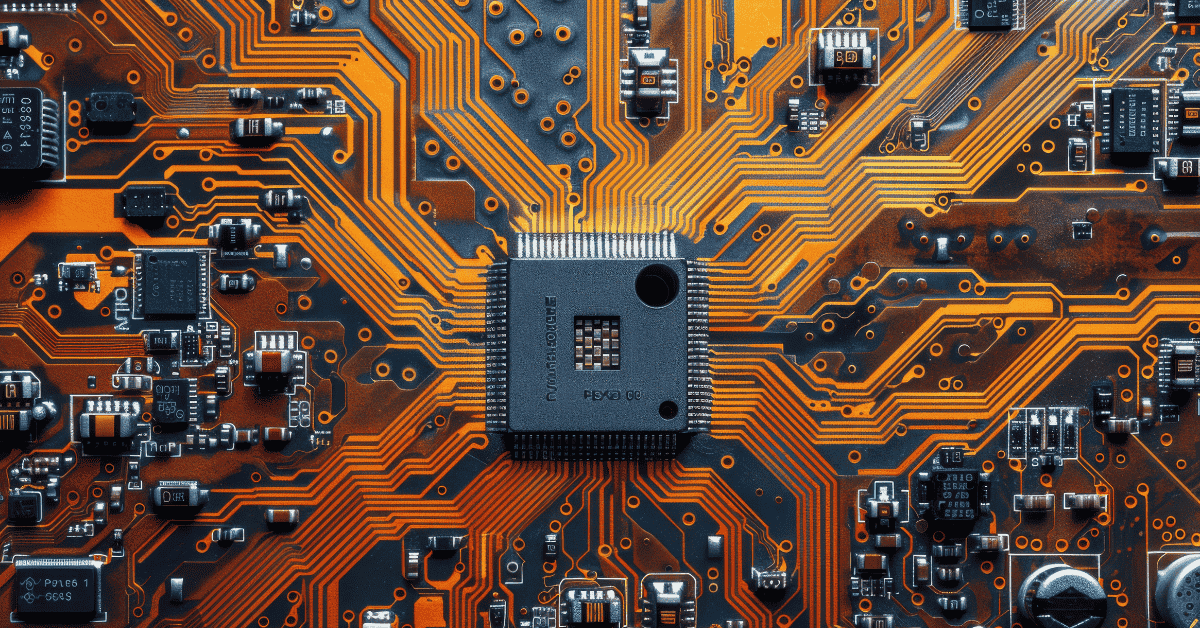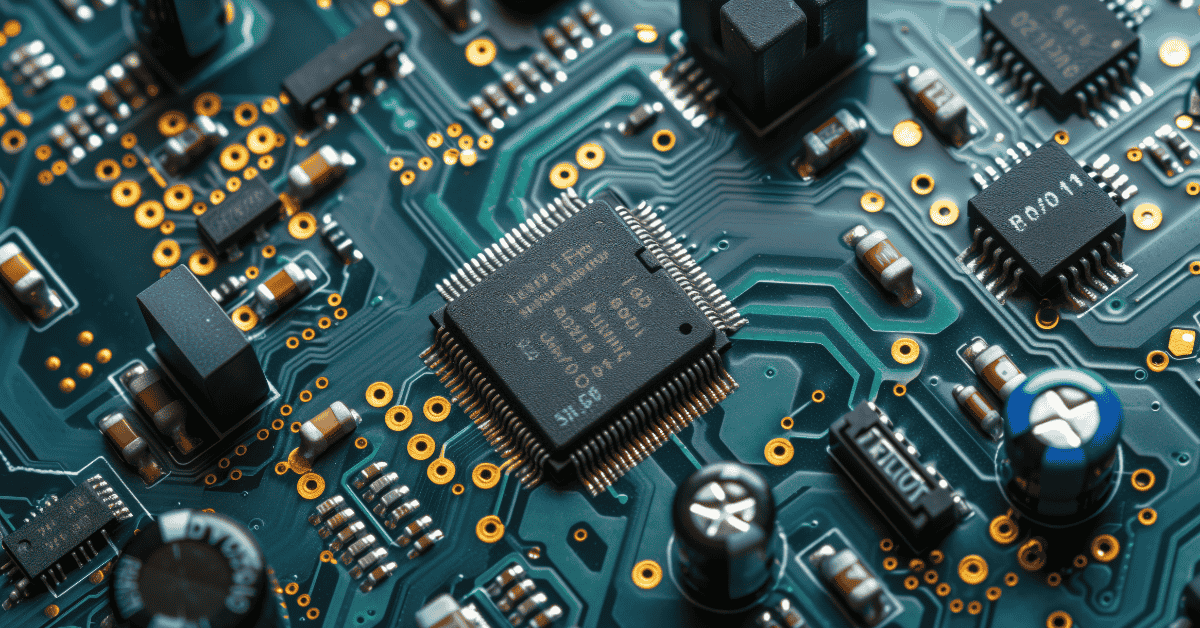


When people hear the term “embedded systems,” they often imagine small chips inside devices doing routine tasks. While that’s not wrong, it doesn’t capture the full picture. Micro embedded systems are less about size and more about precision engineering—systems designed under tight constraints, yet expected to deliver flawless performance in the real world.
The interesting part is not just what these systems do, but how they are designed to operate in environments where failure is not an option.
Unlike desktop or cloud software, embedded systems are never built in a comfortable environment of unlimited resources. Every decision—whether it’s about memory usage, processing speed, or power consumption—has trade-offs.
For instance, imagine designing a wearable fitness tracker. You cannot simply increase processing power to add new features, because that would drain the battery faster. Similarly, increasing memory might increase cost and size, making the product less competitive.
This is where embedded engineering becomes more of a balancing act than a straightforward development process. Engineers must constantly optimize, often rewriting code multiple times just to save a few kilobytes of memory or reduce power consumption slightly.
At the center of most micro embedded systems is the microcontroller. It acts as the brain, but unlike a general CPU, it doesn’t run multiple heavy applications. Instead, it executes a tightly controlled program designed for a specific purpose.
What makes microcontrollers powerful is their ability to interact directly with hardware. They can read signals from sensors, process them instantly, and trigger actions—all within microseconds.
For example, in a temperature-controlled industrial system, a microcontroller continuously reads data from a sensor. If the temperature crosses a certain threshold, it immediately activates cooling mechanisms. There’s no delay, no waiting for user input—just direct, real-time action.
One of the most defining aspects of micro embedded systems is timing. In many applications, it’s not enough to produce the correct output—the output must be produced at the correct time.
Take the example of an airbag system in a car. It must detect a collision and deploy the airbag within milliseconds. Even a slight delay can reduce its effectiveness. This is why such systems are designed as real-time systems, where timing constraints are strictly enforced.
To achieve this, developers often use interrupts and real-time operating systems (RTOS). Interrupts allow the system to respond immediately to critical events, while an RTOS helps manage multiple tasks without missing deadlines.
Memory in embedded systems is limited, and this limitation shapes how software is written. Developers cannot afford to waste memory on unnecessary features or inefficient code.
Dynamic memory allocation, which is common in general software development, is often avoided because it can lead to fragmentation and unpredictable behavior. Instead, developers prefer static memory allocation, where memory usage is defined at compile time.
This approach may seem restrictive, but it ensures stability. In systems where reliability is critical—such as medical devices or aerospace systems—predictability is far more important than flexibility.
What truly sets micro embedded systems apart is their ability to interact with the physical environment. Through sensors and actuators, these systems bridge the gap between digital logic and real-world conditions.
Sensors convert physical parameters like temperature, pressure, or motion into electrical signals. The embedded system processes these signals and decides what action to take. Actuators then convert these decisions into physical actions, such as turning on a motor or adjusting a valve.
This continuous loop of sensing, processing, and acting is what makes embedded systems so powerful. They don’t just compute—they respond.
In consumer software, adding features is often a priority. In embedded systems, reliability always comes first. A system with fewer features but higher reliability is preferred over a feature-rich system that may fail under certain conditions.
Consider a medical monitoring device. It doesn’t need a fancy interface or complex features. What it needs is consistent, accurate performance over long periods. This is why embedded systems often undergo extensive testing, including stress testing, environmental testing, and failure analysis.
Engineers also implement fail-safe mechanisms. If something goes wrong, the system should either recover gracefully or shut down safely without causing harm.
As more embedded systems become connected to networks, security has become a major concern. Devices that were once isolated are now part of larger ecosystems, making them potential targets for cyber attacks.
For example, a smart home system connected to the internet can be vulnerable if not properly secured. Attackers could gain access to sensitive data or even control devices remotely.
To address this, modern embedded systems include encryption, secure boot mechanisms, and authentication protocols. However, implementing security in resource-constrained environments is challenging, as these features require additional processing power and memory.
Debugging embedded systems is very different from debugging regular software. There’s often no display, no logs, and limited visibility into what the system is doing.
Engineers rely on specialized tools like JTAG debuggers, oscilloscopes, and logic analyzers to trace system behavior. Sometimes, even a simple LED indicator is used to signal system states.
This makes debugging a more hands-on and investigative process. Developers must understand both hardware and software deeply to identify and fix issues.
Micro embedded systems are no longer just about executing predefined instructions. With advancements in technology, they are becoming smarter and more adaptive.
Machine learning models are now being optimized to run on microcontrollers. These models can analyze patterns and make decisions locally, without relying on cloud services.
For example, a smart security camera can detect unusual activity and trigger alerts instantly. It doesn’t need to send data to a server for analysis, reducing both latency and privacy concerns.
This shift toward edge intelligence is changing how embedded systems are designed and used.
Micro embedded systems are often overlooked because they operate quietly in the background. But their importance cannot be overstated. They are the backbone of modern automation, enabling devices to function independently and intelligently.
What makes them truly fascinating is the discipline required to build them. Every line of code, every hardware component, and every design decision must align with strict constraints and real-world demands.
In a way, micro embedded systems represent the purest form of engineering—doing more with less, and doing it reliably.
Share :